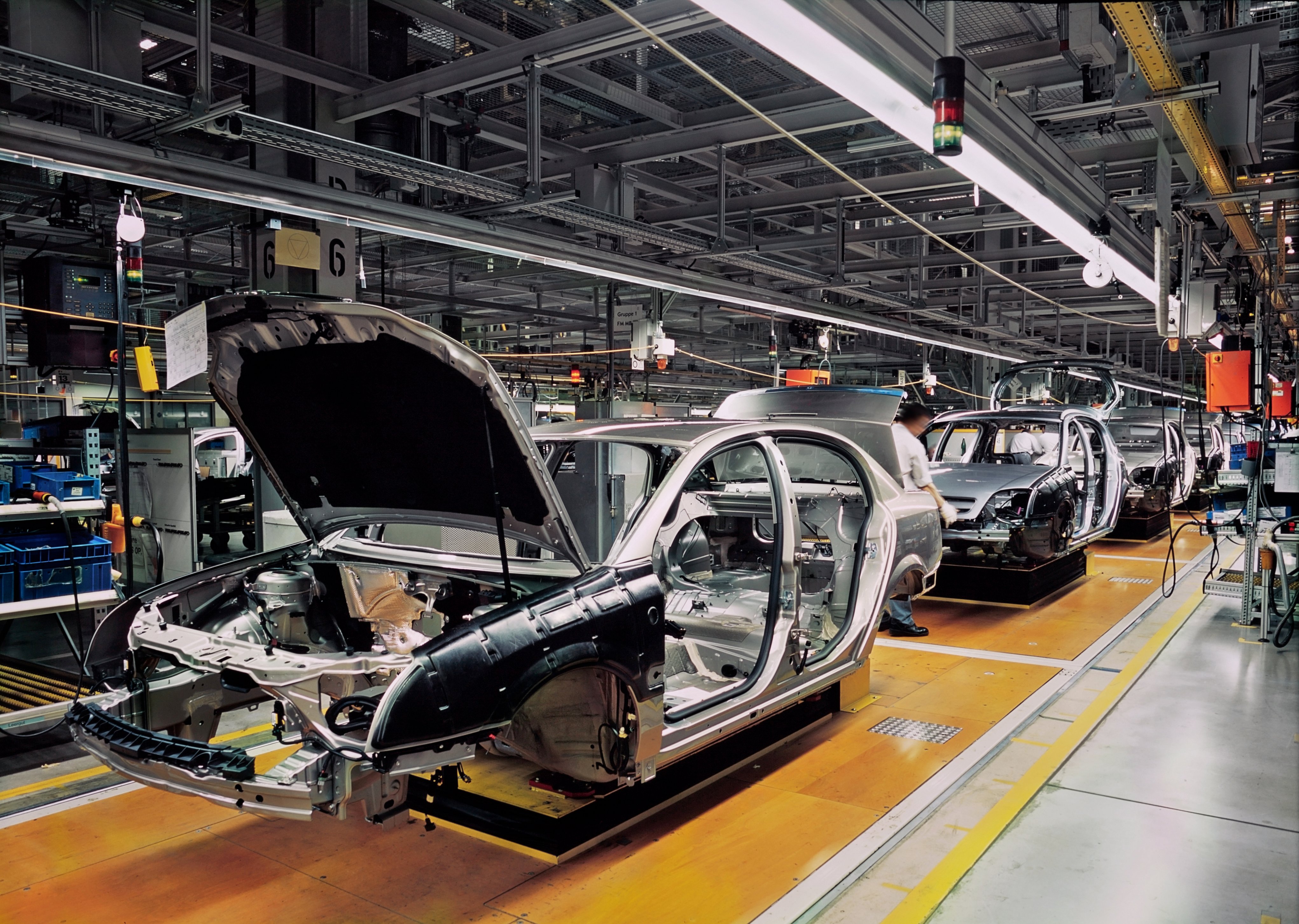
Disputes in the automotive supply chain are on the rise. With escalating costs, volatile demand, and accelerating technological shifts, the automotive industry is facing challenging times. With financial margins shrinking, negotiations along the supply chain harden. In practice, the following “tactic” has recently been observed with increasing frequency: during negotiations (e.g., on price increases in long-term supply contracts), suppliers question their own delivery obligation and openly or subtly threaten to stop deliveries in order to achieve their own negotiating goals.
For customers, particularly Original Equipment Manufacturers (“OEMs”), such tactics strike at the heart of operational continuity: in a just‑in‑time environment, the suspended delivery of a single component can bring an entire production line to a halt, with severe consequential damage. In this situation, the customer faces a dilemma. Legal protection by courts is difficult to obtain. Regular court proceedings are too slow to provide realistic support. This raises the question of whether interim relief can offer effective and timely protection.
German courts have been increasingly called upon to rule on this issue. Two decisions by the Stuttgart Regional Court provide valuable guidance on how far interim relief can extend to safeguard continued supply (31 O 43/23 KfH of 14 March 2023 and 35 O 17/20 KfH of 18 June 2020).
Legal obstacles to protecting / ensuring continued supply by way of interim orders
The legal obstacles to securing continued supply through interim orders are significant. Under German law, interim measures are, by their nature, provisional: they take can be obtained quickly, rely on limited evidence, and are intended to maintain the status quo rather than to finally decide the dispute. The well-established principle in German case law is that interim orders must not pre-empt the main trial. However, seeking an order requiring a supplier to perform the contract (i.e., to continue deliveries) does not merely serve to maintain the status quo, but would normally be the subject of the main proceedings. Interim relief proceedings in Germany are not designed for this situation.
In the past, German courts have nevertheless issued interim orders for contract performance (in German: “Leistungsverfügungen”) in other areas, but only in exceptional cases. The threshold is high. In a nutshell, interim orders for contract performance have been reserved for cases in which waiting for the main proceedings would have caused “irreparable harm”.
German courts grant interim relief for continued supply in exceptional circumstances
In recent proceedings, customers in the automotive supply chain have invoked this logic to apply for interim relief in the above mentioned supply-stop cases. This was also true for the two cases before the Stuttgart Regional Court. There, the customers referred to the particularities of the automotive industry, where the stakes are high as suspended deliveries of components can quickly bring the entire production process to a halt due to just-in-time production. The customers argued that such a forced production halt would lead to disproportionately high damages and, thus, to “irreparable harm”.
In the above decisions, the Stuttgart Regional Court transferred the existing case law on interim orders for contract performance to supply disputes in the automotive industry. The court showed cautious willingness to issue interim orders compelling suppliers to continue deliveries, but kept the thresholds high. The court specified several factors that must be taken into account as part of an overall assessment to decide whether an interim order for contract performance can be rendered by way of exception. These factors are:
- a substantiated emergency and the prospect of irreparable harm, typically evidenced by the imminent risk of a production standstill in a just‑in‑time environment;
- a balancing of interests that often favours the customers if the temporary continuation of deliveries does not place a disproportionate burden on the suppliers; and
- credible prospects of success on the merits, for example where a clear contractual basis for the customer’s claim for delivery exists.
According to the Stuttgart Regional Court, customers must sufficiently substantiate the prospect of irreparable harm by way of evidence (e.g., through production schedules, safety stock data, call‑offs, and shutdown scenarios, supported by affidavits).
It should be noted in particular that customers strengthen their position by limiting the temporal scope of the requested interim supply order, thereby ensuring that the provisional measure does not morph into a final decision that pre-empts the main trial.
Conclusion & outlook
Nevertheless, interim orders for contract performance remain the exception. Applicants must overcome the courts’ inherent reluctance to pre‑empt the main trial. However, recent case law in Germany (including the decisions of the Stuttgart Regional Court) showcases that this is also possible in the automotive sector. Whether applicants are ultimately successful in interim relief proceedings depends on the circumstances of the individual case. Even if interim relief is granted, enforcement (particularly across borders) can add a new level of complexity. Also, the aforementioned case law has not yet been endorsed by the German Federal Court of Justice.
German courts increasingly acknowledge that just‑in‑time production environments such as the automotive industry need meaningful protection against tactical supply halts.
Given the uncertainties of effective legal protection, companies should, wherever commercially feasible, reduce their “blackmail exposure” by establishing second sources of supply for required components. Absent that, success in interim relief proceedings depends on how convincingly an applicant can substantiate immediate operational consequences of a supply interruption supported by operational data and affidavits, to surmount the high threshold for interim orders for continued supply. The decisions of the Stuttgart Regional Court provide valuable guidelines for all parties involved in the automotive supply chain.